

Bilingual kids, bilingual mom, Bilingualism, canciones infantiles, Homeschool Spanish, La Mar estaba serena, latin moms, Mamás latinas, podcast, Spanish immersion, Spanish lullaby, Spanish teacher

Aprenda las vocales cantando/ Practice the vowels through song

Puerto Rico 3

English Español

A vowel is a speech sound that is produced by an open configuration of the vocal tract. It includes vibrations of the vocal cords. But just like a sea which has no obstacles in its path, there is no friction or impediment to the airflow.  A vowel is also a unit of the sound system of a language that forms the nucleus of a syllable. Without vowels we just simply cannot have words. There is no language wtihout the vowel. I think that without the vowel we would also be limited in our expression of emotions.

In the Spanish language… we are referring to a letter representing a vowel sound, such as a, e, i, o, u.

In Spanish our vowels are short and crisp and come in one sound only as opposed to the English language where you can have different “a” sounds, ate, cat, caught, bear, square…Crazy English!

Spanish is beautifully phonetic and uncomplicated in that way. Vowels in Spanish come in two ways:

  • “abiertas o fuertes” – a, e and o  (requires your mouth to be more open and leaving the tongue on the bottom as you pronounce these sounds)
  • “cerradas o débiles” – i and u (your mouth will tend to close more, the tongue in the intermediate area without touching the palate)

“La Mar Estaba Serena” is a fun song for practicing the vowel sounds, much like the “I like to eat apples and bananas”song in English. Great to sing in the car on road trips, of course for trips to the beach, use it as a lullaby and watch the baby look at your lips with interest. Sing at a higher pitch, get dramatic and have fun with it! To learn a language we need to drop our self consciousness and be silly sometimes. If I can do it, so can you!

This was one of the songs we sang a lot in third grade. Images of the nearby sea came to mind in that island classroom and it was a sweet way of starting the day. So sing, sing high or sing low, and let your emotions flow out with the vowels in the song…

La mar estaba serena

La mar estaba serena

Serena estaba la mar

La mar estaba serena

Serena estaba la mar.

Practice with a:

La mar astaba sarana

sarana astaba la mar

la mar astaba sarana

sarana astaba la mar

Practice with e:

Le mer estebe serene

serene estebe le mer

Le mer estebe serene

serene estebe le mer

Practice with i:

Li mir istibi sirini

sirini istibi li mir

li mir istibi sirini

sirini istibi li mir

Practice with o:

Lo mor ostobo sorono

sorono ostobo lo mor

lo mor ostobo sorono

sorono ostobo lo mor

Practice with u:

Lu mur ustubu surunu

surunu ustubu lu mur

Lu mur ustubu surunu

surunu ustubu lu mur

(En Español)

¿Y qué tiene que ver el mar con las vocales?

Español

Una vocal es un sonido natural hablado que se pronuncia con el tracto vocal abierto. Incluye la vibración de las cuerdas vocales pero tal como el mar que no tiene impedimento alguno …no hay fricción ni impedimentos a la salida del aire.  Una vocal también forma el nucleo de las sílabas, esto es cierto en todas las lenguas. Sin las vocales, simplemente, no tendríamos palabras. No existirían los lenguajes sin la vocal. Pienso que sin la vocal, estamos limitados en la expresión de las emociones también.
Nos referimos a la letra que representa los sonidos de las vocales en español:  a, e, i, o, u.

En español nuestras vocales son cortas y contienen un solo sonido, lo que es diferente al inglés que tiene, por ejemplo, el sonido de la “a” puede ser largo o corto y todo de por medio como:  ate, cat, caught, bear, square…¡Es un poco loco el idioma Inglés!

El español es una lengua fonética y  menos complicada en ese sentido. Hay dos clases de vocales:

  • “abiertas o fuertes” – a, e and o  (requiere la apertura de la boca y colocar la lengua en la parte inferior de la boca)
  • “cerradas o débiles” – i and u (requiere cerrar la boca un poco más y colocar la lengua en la parte intermedia sin tocar el paladar)

“La Mar Estaba Serena” es una canción divertida que ayuda practicar estos sonidos como en inglés  “I like to eat apples and bananas”.  Puede cantarse ya sea en los viajecitos por carro, a la playa, como canción de cuna y verás al bebé mirar tus labios de forma interesante. ¡Canta la canción en un tono mas alto y dramático y obtendrás otros efectos divertidísimos! Para aprender un idioma no puedes tener pena, pero jugar con el idioma. Si lo puedo hacer yo… ¡claro que lo puedes hacer tú!

Esta fue una de las canciones que cantábamos en el tercer grado. Nos imaginábamos el océano en esa aulita en la isla. Era también una bonita manera de empezar el día. Canta, en tonos altos o bajos… hay que dejar fluir las emociones con las vocales en esta canción…

Subscríbase ahora y podrá recibir los avisos de nuevos artículos, canciones y recursos para enseñarles a sus hijos español. Las opiniones en esta página son simplemente una perspectiva de la Sra. Constancia. Compartiendo con otras madres y padres un deseo de ayudar en el desarollo de nuestros hijos y crear una comunidad que los ayude a progresar en sus estudios y expresiones culturales en español. Nuestro correo electrónico es TeachThemSpanish@gmail.com.

Subscribe now and receive notifications regarding new upcoming articles, songs and resources to assist you in your efforts to teach your kids Spanish.The opinions in this page are simply coming from the perspective of Prof. Constancia. I am sharing with other mothers and fathers with the intention of helping our children in their development, creating a community that will help all of them progress in their Spanish studies and cultural expression. Our email is TeachThemSpanish@gmail.com.

http://teachthemspanish.wordpress.com/tag/podcast/feed/(wordpress)

Standard
Bilingual kids, bilingual mom, Bilingualism, canciones infantiles, Homeschool Spanish, podcast, poemas infantiles, Spanish immersion, Spanish lullaby, Spanish poems for kids, Spanish songs for kids, Spanish teacher, Teach Spanish to Kids/ Bilingualism/ Culture/, Teach your baby Spanish, Waldorf Spanish

Corre que te corre…./ Chasing games!

holding hands

English Español

One of the joys of being a child is playing those chasing games… maybe it’s a “big bad wolf” or the “witch” … or any number of other games that parents and grandparents come up with to run after them. Then at the end come the hugs and kisses or tickles. Here is one such game…”Juguemos en el bosque.”


Una de las delicias de ser un niño es jugar a juegos donde te persiguen ya sea “la bruja” o “el lobo hambriento” o cualquier cantidad de juegos que se inventan los padres y  abuelos… para correr detrás de los pequeñitos… y despues abrazar y dar besos o cosquillas.

He aquí un jueguito que se puede jugar con los niños…

Juguemos en el bosque

Juguemos en el bosque, mientras el lobo no está…

Juguemos en el bosque, mientras el lobo no está…

¿Lobo dónde estás?

El lobo: Oigo unos pequeños… me acaban de despertar...


Juguemos en el bosque, mientras el lobo no está…

Juguemos en el bosque, mientras el lobo no está…

¿Lobo dónde estás?

El lobo: Me estoy levantando de la cama…


Juguemos en el bosque, mientras el lobo no está…

Juguemos en el bosque, mientras el lobo no está…

¿Lobo dónde estás?

El lobo: Ya me estoy poniendo los zapatos…


Juguemos en el bosque, mientras el lobo no está…

Juguemos en el bosque, mientras el lobo no está…

¿Lobo dónde estás?

El lobo: Tranquilos, tranquilos que me estoy cepillando los dientes…


Juguemos en el bosque, mientras el lobo no está…

Juguemos en el bosque, mientras el lobo no está…

¿Lobo dónde estás?

EL lobo: Me estoy poniendo el sombrero…


Juguemos en el bosque, mientras el lobo no está…

Juguemos en el bosque, mientras el lobo no está…

¿Lobo dónde estás?

El lobo: AHORA TENGO QUE ABRIR LA PUERTA…


Juguemos en el bosque, mientras el lobo no está…

Juguemos en el bosque, mientras el lobo no está…

¿Lobo dónde estás?

El lobo: ¡¡¡ME ESTA DANDO MUCHA HAMBRE!!


Juguemos en el bosque, mientras el lobo no está…

Juguemos en el bosque, mientras el lobo no está…

¿Lobo dónde estás?

El lobo: ¡¡¡AHAAAA…YA LOS VEO Y ME LOS VOY A COMER TODOS ENTERITOS!!!


Subscríbase ahora y podrá recibir los avisos de nuevos artículos, canciones y recursos para enseñarles a sus hijos español. Las opiniones en esta página son simplemente una perspectiva de la Sra. Constancia. Compartiendo con otras madres y padres un deseo de ayudar en el desarollo de nuestros hijos y crear una comunidad que los ayude a progresar en sus estudios y expresiones culturales en español. Eso es todo.  Colorín Colorado… este cuento se ha terminado.

Subscribe now and receive notifications regarding new upcoming articles, songs and resources to assist you in your efforts to teach your kids Spanish.The opinions in this page are simply coming from the perspective of Prof. Constancia. I am sharing with other mothers and fathers with the intention of helping our children in their development, creating a community that will help all of them progress in their Spanish studies and cultural expression. That’s it. This tale is all told out.


http://teachthemspanish.wordpress.com/tag/podcast/feed/(wordpress)

Standard
Bilingual kids, bilingual mom, Bilingualism, canciones infantiles, Compassionate parenting, Homeschool Spanish, Padres compasivos, podcast, poemas infantiles, Spanish poems for kids, Spanish songs for kids, Spanish teacher, Teach Spanish to Kids/ Bilingualism/ Culture/, Teach your baby Spanish

Poco a poco… / Little by little

child with colors

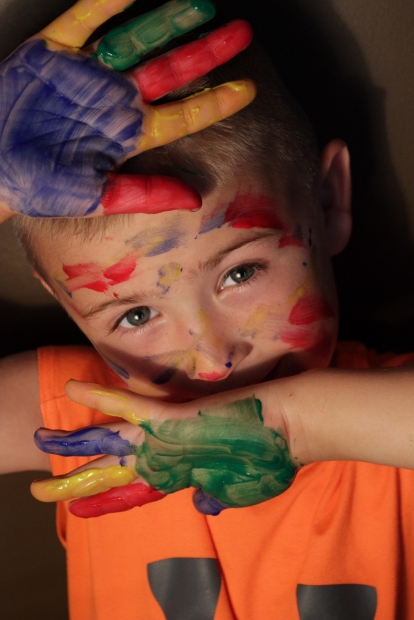
Spanish is a language that allows me to express a lot of different emotions. Yes, it is different. I am a different person when I speak Spanish than when I speak in English. Do you find that it does that to you too? Imagine the opportunities we can give children with this other dimension… when we expose them to the different languages.

As it is… children live in an emotional world. I had heard a long time ago in educational psychology Prof. Romeo say to us that once we started dealing with kids we would be invited into a world of emotions. It’s an emotional world that they live in. You are invited in. What are you going to do once you are there? How are you going to handle yourself?

Writing about this emotional world as a student without having any experience was one thing, I had to cite the psychologists that I would be tested on the next week and show my book knowledge about them. Now having been a teacher and mom has given me plenty of experience from which to draw. But now I know why she said what she said. My suggestion is the same: remember they live in an emotional world. We are invited in. Whether we speak in English or Spanish…How are we going to handle ourselves?

Another great influence in my life was a preschool teacher, (and in my view a master of life teacher) Ms. Caruso, of Sunflower Creative Arts, who taught us first-hand through parent training classes and  informal talks about Compassionate Parenting. An example, is the way we look at temper tantrums. “They are recalibrating their nervous system,” she said. And, I learned that if they don’t get to do this at the typical terrific two’s stage they will need to get this done when they are 4, 5, 6 whenever… but it needs to happen. We are invited to witness and help them through this.

So it’s no surprise that during one of those moments that I was invited in…A small mantra or song came to me, in Spanish of course, “poco a poco.”

Yes, Spanish is an emotional language. It’s vowel dominant. According to the philosopher Rudolf Steiner, through the vowels we express our emotions. Try listening to opera in German and the same one in Italian and make the comparison. More on vowels next week…

Poco a Poco

Poco a poco, yo voy aprendiendo

Poco a poco, yo voy creciendo.

Gracias mama, por tu compañía

Gracias mama, por tu paciencia

Gracias mama, por todo tu amor.

El español es un idioma que me permite expresar diferentes emociones. Si, yo soy diferente. Soy otra persona al hablar el español. Dime si a ti te pasa lo mismo… Imagina todas las oportunidades que les presentamos a los niños exponiéndolos a esta otra dimensión… cuando los exponemos a los diferentes idiomas.

Ellos, que de por sí, viven en un mundo de emociones… Me recuerdo también de lo que nos dijo una profesora de la sicología educativa hace mucho tiempo,  Prof. Romeo. Que una vez que empezáramos a trabajar con niños seríamos invitados en un mundo de emociones. Viven en un mundo de emociones. Eres un invitado. ¿Qué vas hacer una vez estés en ese espacio? ¿Cómo te vas a comportar?

Escribir sobre este mundo emocional sin experiencia es una cosa, yo habré mencionado a varios sicólogos, y demostrado mis conocimientos sobre el tema que estaría en una prueba la semana siguiente.  Pero ahora como maestra y madre tengo experiencia que me motiva a decir lo mismo que nos dijo la profesora. Recuerda que ellos viven en un mundo de emociones. Nosotros somos los invitados. ¿Cómo vamos a reaccionar cuando estémos en este espacio. ¿Cómo nos vamos a comportar?

Otra influencia muy importante ha sido una maestra pre-escolar (y Maestra de la vida en mi opinion)  Sra. Caruso, quien nos enseñó en clases para padres y charlas sobre el concepto de padres compasivos. Un ejemplo o prueba, es como miramos las “rabietas” o “berrinches” de los pequeños. “Están estabilizando el sistema nervioso,” dijo ella. Y fui aprendiendo que si no lo hacían a los dos, lo tendrían que hacer a los 3, 4, 5 o 6 pero que es algo que tienen que experimentar. Y nosotros estamos invitados para ayudarlos en este proceso.

Una canción que me vino a la mente a cantar, en español por supuesto, cuando viví uno de esos primeros momentos fue “Poco a Poco.”

En español porque es un idioma muy expresivo donde predominan las vocales. De acuerdo al filósofo  Rudolf Steiner, es a través de las vocales que llegamos a expresar nuestras emociones. Escucha una opera en alemán y después en italiano, y haz la comparación. Hablaremos mas sobre las vocales la semana que viene…

Subscríbase ahora y podrá recibir los avisos de nuevos artículos, canciones y recursos para enseñarles a sus hijos español. Las opiniones en esta página son simplemente una perspectiva de la Sra. Constancia. Compartiendo con otras madres y padres un deseo de ayudar en el desarollo de nuestros hijos y crear una comunidad que los ayude a progresar en sus estudios y expresiones culturales en español. Eso es todo.  Colorín Colorado… este cuento se ha terminado. Nuestro correo electrónico es TeachThemSpanish@gmail.com.

Subscribe now and receive notifications regarding new upcoming articles, songs and resources to assist you in your efforts to teach your kids Spanish.The opinions in this page are simply coming from the perspective of Prof. Constancia. I am sharing with other mothers and fathers with the intention of helping our children in their development, creating a community that will help all of them progress in their Spanish studies and cultural expression. That’s it. This tale is all told out.

Our email is TeachThemSpanish@gmail.com.

http://teachthemspanish.wordpress.com/tag/podcast/feed/(wordpress)
Standard
Bilingual kids, bilingual mom, Bilingualism, Homeschool Spanish, podcast, poemas infantiles, Spanish immersion, Spanish lullaby, Spanish poems for kids, Spanish teacher, Teach your baby Spanish

Al despertar… / Wake up to Spanish!

Palm Trees

Mornings are the best time to set out a tranquil and positive intention for the rest of the day. There are many things one can do to start the day out well with children, there are games, a song or a poem to start the day.   Instead of a desperate fight against “getting there on time”… by just getting up earlier in the morning, and some creativity, we may make it a better day. Here is just one of many ideas we will share in this blog for starting the day, waking up and teaching them Spanish. (You could add some slow arm and hand movements, imitating the sun… whatever seems natural while you recite the poem)

Las mañanas son para comenzarlas tranquilamente y con las mejores intenciones. La rutina de la mañana puede ser un desespero por llegar a tiempo. O si nos levantamos un poco mas temprano podremos tener tiempo para una mañanita agradable y creativa.

En la mañana al despertar hay mucho que se puede hacer para comenzar bien el día con los niños, hay juegos, alguna canción o poema para asociar el comienzo del día. ¿Que tal si empezáramos el día con un poema o una canción favorita? Estaremos compartiendo muchas ideas más en el futuro para despertar e ir enseñándoles español… (Puede añadirle movimientos con los brazos y manos para simular el movimiento del sol mientras se dice el poema).

Sale el sol

Sale el sol por la mañana

Sale el sol a calentar.

Siempre sale por el este

Yo lo voy a saludar.

¿Como estás astro de fuego?

¿Cómo estás amigo sol?

Alumbrando noche y día…dándonos luz y calor.

Subscríbase ahora y podrá recibir los avisos de nuevos artículos, canciones y recursos para enseñarles a sus hijos español. Las opiniones en esta página son simplemente una perspectiva de la Sra. Constancia. Compartiendo con otras madres y padres un deseo de ayudar en el desarollo de nuestros hijos y crear una comunidad que los ayude a progresar en sus estudios y expresiones culturales en español. Eso es todo.  Colorín Colorado… este cuento se ha terminado. Nuestro correo electrónico es TeachThemSpanish@gmail.com.

Subscribe now and receive notifications regarding new upcoming articles, songs and resources to assist you in your efforts to teach your kids Spanish.The opinions in this page are simply coming from the perspective of Prof. Constancia. I am sharing with other mothers and fathers with the intention of helping our children in their development, creating a community that will help all of them progress in their Spanish studies and cultural expression. That’s it. This tale is all told out.

Our email is TeachThemSpanish@gmail.com.

http://teachthemspanish.wordpress.com/tag/podcast/feed/(wordpress)

Standard
Bilingual kids, bilingual mom, Bilingualism, Homeschool Spanish, podcast, poemas infantiles, Spanish immersion, Spanish teacher, Teach Spanish to Kids/ Bilingualism/ Culture/, Teach your baby Spanish

Caminante no hay camino/ There is no path…

path

For parents…

I remember what a doula once answered me when I asked her when he would be sleeping through the night. (Who has not asked that question during those first few months). A bit on the tired side I heard her say: “there is no pattern…no logic to this…we don’t know if he will sleep through the night after 3 months or 3 years.”

The road for a bilingual child is not one…there are so many!  I have heard parents asking themselves…whether to speak English or Spanish or only Spanish…whether or not they will be confused or speech impaired. Whether or not they will be able to socialize in school, etc. I asked myself all of these questions, consulted the “experts” (speech therapists, psychologists, teachers, etc.) and received all the warnings as well as the encouragement. In the end you do what feels right for you to communicate and teach your child.

In fact I was quite inspired by the moms in my Spanish mommy and me classes. I got to meet an American mom who decided to teach her baby Spanish through immersion as she herself was learning Spanish. The child was perfectly bilingual by the time she was three years old. On the other hand, I also saw moms who spoke Spanish fluently had children who were confused and speech impaired by the time they were three, although with time, in most cases these children also figured it out beautifully in the end.

I myself, went from English to Spanish to Spanish to English and again now in Spanish. We have been using languages interchangeably and it seems to be what works with us. Now, the Spanish poems and songs are the one thing that have been a constant.. as there lies the soul of the language. What is working for you? Share in our comment section what path you are making…

Here is a poem by the Spanish Poet and Playwright Antonio Machado. It was offered to me by my aunt Toña for inspiration and I pass it along to all of us..parents who realize that this road is made by just walking it…

Caminante no hay camino

(Antonio Machado)

Extracto de Proverbios y cantares (XXIX)

Caminante, son tus huellas
el camino y nada más;
Caminante, no hay camino,
se hace camino al andar.
Al andar se hace el camino,
y al volver la vista atrás
se ve la senda que nunca
se ha de volver a pisar.
Caminante no hay camino
sino estelas en la mar.

Para los padres…

Recuerdo una vez lo que me contestó una “doula” cuando le pregunté cuando dormiría el bebé toda la noche. ¿Quién no se ha preguntado esto en esos primeritos meses? Yo sin sueño la escuché decir… “es que no hay ningún patrón… no hay ninguna lógica al caso… no sé si va a empezar a dormir la noche a los tres meses… o a los 3 años.”

Para que un niño sea bilingüe de veras no hay un camino correcto. Muchas veces los padres se han preguntado… le hablo en español o en inglés o en ambos. Que si le hablo en español es posible que lo confunda… que si se le va a retrasar en el habla. Que quizás no vaya a poder socializarse en la escuela, etc.  Yo me pregunté todas esas preguntas y los “expertos” (terapistas del habla, psicólogos, maestros, etc.) me dieron toda clase de advertencias y consejos. Al fin y al cabo uno hace lo que el instincto nos dice hacer.

Incluso, en mis clases de español para “mamás y bebés” llegué a conocer una mamá Americana que decidió enseñarle a su bebé español mientras ella tambien lo estaba aprendiendo. La niña a los tres hablaba perfectamente los dos idiomas. En cambio también he visto madres de habla hispana que aunque hablen perfectamente…sus hijos a los tres si están confundidos y se retrasan en el habla, aunque con el tiempo he notado que esto se arregla sólo.

Yo tambien he hablado con mi familia en inglés, después español, y después inglés y ahora en español y hablar en los dos idiomas es lo que parece funcionar para nosotros. Las canciones y poemas en español han sido cantadas y recitadas con consistencia eso sí ya que el alma de la lengua vive allí. ¿Qué es lo que funciona para tí..? cuéntanos tu historia en los comentarios.

Mi tía me ofreció este poema como inspiración a mi y yo se lo ofreceré  a todos esos padres que emprendemos ese camino que se hace al andar…

Subscríbase ahora y podrá recibir los avisos de nuevos artículos, canciones y recursos para enseñarles a sus hijos español. Las opiniones en esta página son simplemente una perspectiva de la Sra. Constancia. Compartiendo con otras madres y padres un deseo de ayudar en el desarollo de nuestros hijos y crear una comunidad que los ayude a progresar en sus estudios y expresiones culturales en español. Eso es todo.  Colorín Colorado… este cuento se ha terminado. Nuestro correo electrónico es TeachThemSpanish@gmail.com.

Subscribe now and receive notifications regarding new upcoming articles, songs and resources to assist you in your efforts to teach your kids Spanish. The opinions in this page are simply coming from the perspective of Prof. Constancia. I am sharing with other mothers and fathers with the intention of helping our children in their development, creating a community that will help all of them progress in their Spanish studies and cultural expression. That’s it. This tale is all told out. Our email is TeachThemSpanish@gmail.com.

Standard
Bilingual kids, bilingual mom, Bilingualism, Spanish immersion, Spanish songs for kids, Spanish teacher, Teach Spanish to Kids/ Bilingualism/ Culture/

Celia Cruz…Tito Puente

Para que un niño entre en la cultura de español especialmente del Caribe es imprecindible que conozca a Celia Cruz, de Cuba, y a Tito Puente, nacido en Nueva York de padres puertorriqueños. Especialmente la salsa clásica que crearon en los años 50. Conocer a Celia Cruz es entrar en el corazón de la alegría de la música salsa, un género de música que ella y Tito Puente crearon.  Creo que exponer al niño a todo tipo de música latina, siempre y cuando sean temas apropiados para su edad, ayuda a crecer en esa cultura que le ayudará adquirir la lengua en su futuro. Yo fui gran fanática de muchos artistas cuando niña, música romántica, salsa, cumbia, boleros… todo ha tenido su lugar.

Una canción que no puede faltar para que escuche e incluso ayude con la pronunciación de la “r” que es bueno aprender de niño… Trate de repetir.. “quimbara quimbara quimba quimbamba quimbara quimbara quimba quimbamba..”

In order to acquire the hispanic culture, especially the Caribbean culture, it is important to know Celia Cruz and Tito Puente. Especially, the classic “Salsa” that they created in the 50’s. To know Celia Cruz is to enter into the heart of all of that, a music genre that she, a native of Cuba, and Tito Puente, a New Yorker of Puerto Rican descent,  created together.  I think that exposing kids to Latin music, as long as the themes are child friendly and not of adult content, will help them grow in that culture and help in acquiring that language in their future. I was a great fan of many artists when I was a kid, romantic music, salsa, cumbia, boleros… it all has its place.

One song that cannot be missed and that can in fact help in pronunciation is of the letter “r”, which is important to learn the younger the better…Try to repeat.. “quimbara quimbara quimba quimbamba quimbara quimbara quimba quimbamba..”

Subscríbase ahora y podrá recibir los avisos de nuevos artículos, canciones y recursos para enseñarles a sus hijos español. Las opiniones en esta página son simplemente una perspectiva de la Sra. Constancia. Compartiendo con otras madres y padres un deseo de ayudar en el desarollo de nuestros hijos y crear una comunidad que los ayude a progresar en sus estudios y expresiones culturales en español. Eso es todo.  Colorín Colorado… este cuento se ha terminado. Nuestro correo electrónico es TeachThemSpanish@gmail.com.

Subscribe now and receive notifications regarding new upcoming articles, songs and resources to assist you in your efforts to teach your kids Spanish.The opinions in this page are simply coming from the perspective of Prof. Constancia. I am sharing with other mothers and fathers with the intention of helping our children in their development, creating a community that will help all of them progress in their Spanish studies and cultural expression. That’s it. This tale is all told out. Our email is TeachThemSpanish@gmail.com. 

Standard
Bilingual kids, Bilingualism, poemas infantiles, Spanish immersion, Spanish lullaby, Spanish poems for kids, Spanish teacher, Teach Spanish to Kids/ Bilingualism/ Culture/, Teach your baby Spanish, Waldorf Spanish

Meciendo / I rock my baby…

the sea

Pienso que la experiencia de compartir poemas con los niños de todas las edades puede ser muy agradable y añadir una dimension de arte a la vida. Ese pequeño que aún no es ejecutivo adulto (pero que tantas veces se le trata como si lo fuera) vive en un mundo natural por muy corto tiempo en el cual puede apreciar la simplicidad de bellos sonidos y ritmos e llegar a imitarlos con mucha más facilidad que al ser adulto.  Un mundo bello y sin complicaciones en el cual él encontrará refugio cuando sea un adulto.

Gabriela Mistral (1889 – 1957), maestra chilena, nunca tuvo hijos pero dicen que fue una gran madre de todos los niños del mundo a través de sus poemas y rondas.

Me dicen que a mi abuela le gustaba mucho Gabriela Mistral. Quizás fue ella quien me lo ofreció.

Meciendo

El mar sus millares de olas

mece, divino.

Oyendo a los mares amantes,

mezo a mi niño.

El viento errabundo en la noche

mece los trigos.

Oyendo a los vientos amantes,

mezo a mi niño.

Dios padre sus miles de mundos

mece sin ruido.

Sintiendo su mano en la sombra

mezo a mi niño.

Gabriela Mistral

(1889 – 1957)

Sharing poems with children is truly a blessing. I believe it can help add a dimension of art of life to kids of all ages. But especially, that child that is not yet an executive, (although oftentimes treated as if) but on the contrary lives in a natural world for a very short while. A world where simple sounds and natural rhythms can be appreciated and imitated with great ease. In reading and reciting poems he or she may find a refuge for when they grow up to be an adult.

Gabriela Mistral (1889 – 1957), teacher from Chile, never had children but it is said that she was mother of all of the children for whom she composed poems and songs. They tell me my grandmother was a big fan of Gabriela Mistral. It was probably she who gave this one to me.

Subscríbase ahora y podrá recibir los avisos de nuevos artículos, canciones y recursos para enseñarles a sus hijos español. Las opiniones en esta página son simplemente una perspectiva de la Sra. Constancia. Compartiendo con otras madres y padres un deseo de ayudar en el desarollo de nuestros hijos y crear una comunidad que los ayude a progresar en sus estudios y expresiones culturales en español. Eso es todo.  Colorín Colorado… este cuento se ha terminado. Nuestro correo electrónico es TeachThemSpanish@gmail.com.

Subscribe now and receive notifications regarding new upcoming articles, songs and resources to assist you in your efforts to teach your kids Spanish.The opinions in this page are simply coming from the perspective of Prof. Constancia. I am sharing with other mothers and fathers with the intention of helping our children in their development, creating a community that will help all of them progress in their Spanish studies and cultural expression. That’s it. This tale is all told out.

Our email is TeachThemSpanish@gmail.com.

Standard
Bilingual kids, bilingual mom, canciones infantiles, De Colores, Homeschool Spanish, podcast, Spanish immersion, Spanish songs for kids, Spanish teacher, Teach Spanish to Kids/ Bilingualism/ Culture/, Teach your baby Spanish

De colores… / Many colors…

flowers

Es una canción que me ofrece la alegría y belleza de la primavera. Aunque no se conocen realmente los orígenes de esta canción, que si es mexicana o española, que del siglo XVl o XX… lo cierto es que es de todos. La han adoptado varios grupos y siempre formará parte de nuestra cultura.

A los niños les encanta cantarla y a los padres tambien… asi que porque no la cantamos con nuestros hijos y ver ¿que pasa? ¡Gózense las imperfecciones y carcajadas! Una canción para aprender esta temporada.

De Colores

De colores, de colores se visten los campos en la primavera.

De colores, de colores son los pajaritos que vienen de afuera

De colores, de colores es el arcoiris que vemos lucir.

Y por eso los grandes amores de muchos colores me gustan a mi.

Y por eso los grandes amores de muchos colores me gustan a mi.

Canta el gallo. Canta el gallo con el quiriquiriquiriquiriquiri.

La gallina. La gallina con el caracaracaracaracara.

Los pollitos. Los pollitos con el pio pio pio pio pi.

Y por eso los grandes amores de muchos colores me gustan a mi.

Y por eso los grandes amores de muchos colores me gustan a mi.

This is a song that offers me the happiness and beauty of spring. Although the origins of this song are not well known…whether it’s Mexican or Spaniard, whether it was composed in the XVl or XX century, who knows, it’s just everyone’s song by now. It has been adopted by many groups and will continue to be part of our culture.

Our kids love to sing this song and parents do also…so why not sing together with our kids and see what happens? Never mind the imperfections…laugh out loud with it! A song for the season.

Subscríbase ahora y podrá recibir los avisos de nuevos artículos, canciones y recursos para enseñarles a sus hijos español. Las opiniones en esta página son simplemente una perspectiva de la Sra. Constancia. Compartiendo con otras madres y padres un deseo de ayudar en el desarollo de nuestros hijos y crear una comunidad que los ayude a progresar en sus estudios y expresiones culturales en español. Nuestro correo electrónico es TeachThemSpanish@gmail.com.

Subscribe now and receive notifications regarding new upcoming articles, songs and resources to assist you in your efforts to teach your kids Spanish.The opinions in this page are simply coming from the perspective of Prof. Constancia. I am sharing with other mothers and fathers with the intention of helping our children in their development, creating a community that will help all of them progress in their Spanish studies and cultural expression.

Our email is TeachThemSpanish@gmail.com.

http://teachthemspanish.wordpress.com/tag/podcast/feed/(wordpress)
Standard
Bilingual kids, bilingual mom, Bilingualism, canciones infantiles, Homeschool Spanish, Spanish immersion, Spanish lullaby, Spanish songs for kids, Spanish teacher, Teach Spanish to Kids/ Bilingualism/ Culture/, Teach your baby Spanish, Waldorf Spanish

Canción de cuna/ Spanish lullaby…

bird

Esta canción es de origen español. Imagínese cuántos niños se han mecido e ido acostar con esta canción. Al cantarle al bebé antes de acostarse aprende un nuevo hábito. Aprende a tranquilizarse él solito. Si usted le canta desde bebé… él o ella sabrá cantar sólo o sola para expresarse. Un niño que canta es un niño feliz, he oído decir. Nunca fui una amante de dejar al niño a que llorara solo…  Al respetar esa dependencia natural del niño en vez de obligarlo a que sea independiente antes de tiempo, sucede lo contrario.  Al vivir esa etapa de dependencia a plenitud…será una persona independiente. Tenga fé que así será. Y aquí estamos para ampliar ese repertorio.  (In English below)

Pajarito

Pajarito que cantas en la laguna

No despiertes a mi niño que está en la cuna.

Pajarito que cantas en la laguna

No despiertes a mi niño que está en la cuna.

Ea la nana, ea la nana, duermeté lucerito de la mañana

Ea la nana, ea la nana, duermeté lucerito de la mañana

Pajarito que cantas junto a la fuente

Callaté que mi niño no se despierte

Pajarito que cantas junto a la fuente

Callaté que mi niño no se despierte

Ea la nana, ea la nana, duermeté lucerito de la mañana

Ea la nana, ea la nana, duermeté lucerito de la mañana

Pajarito

This song is of Spanish origin. Imagine how many children have been rocked to sleep with this melody. As you sing to your child a lullaby before going to sleep he learns a new habit. He learns to calm himself. If you sing to the child when he or she is a baby, they will learn to sing and soothe themselves as well. A child who sings is a happy child, I’ve heard it said.  I was never a fan of leaving a child to cry by himself. … And, by embracing that natural dependency of the child instead of resisting it… the child will in fact grow to be a more independent person. Have faith that it will be so. So, let us, instead, broaden our repertoire of songs!

Subscríbase ahora y podrá recibir los avisos de nuevos artículos, canciones y recursos para enseñarles a sus hijos español. Las opiniones en esta página son simplemente una perspectiva de la Sra. Constancia. Compartiendo con otras madres y padres un deseo de ayudar en el desarollo de nuestros hijos y crear una comunidad que los ayude a progresar en sus estudios y expresiones culturales en español. Eso es todo.  Colorín Colorado… este cuento se ha terminado.

Nuestro correo electrónico es TeachThemSpanish@gmail.com.

Subscribe now and receive notifications regarding new upcoming articles, songs and resources to assist you in your efforts to teach your kids Spanish.The opinions in this page are simply coming from the perspective of Prof. Constancia. I am sharing with other mothers and fathers with the intention of helping our children in their development, creating a community that will help all of them progress in their Spanish studies and cultural expression. That’s it. This tale is all told out.

Our email is TeachThemSpanish@gmail.com.

http://teachthemspanish.wordpress.com/tag/podcast/feed/(wordpress)
Standard
Bilingual kids, Bilingualism, Homeschool Spanish, podcast, Spanish lullaby, Spanish songs for kids, Spanish teacher, Teach Spanish to Kids/ Bilingualism/ Culture/, Teach your baby Spanish

Le cantaré a mi bebé/ I will sing to my baby

Spanish English

No importa que tono de voz tenga una madre. La madre es la madre. La voz más esencial para su bebé. Desde el embarazo…se le puede cantar al bebé… de esta manera comenzará haciendo esa connección con él o ella. Para que sea bilingüe puede empezar por cantarle en español. Exprese su ternura hacia la criatura con cualquier canción que le inspire amor… y en cualquier idioma…sin duda este bebé recibirá el mensaje. Como ya sabrán, soy una gran fanática del ukulele. He aquí un ejemplo:  Esta melodia me hace recordar las campanas de las catedrales en los pueblos de Puerto Rico que recuerdo de niña. Iré compartiendo más con ustedes mientras pase el tiempo. Tambien quisiera que compartieras con nosotros esas melodías o canciones que te inspiren.

Yo te quiero

(de la Profesora Constancia )

Yo te quiero

mucho mucho

Yo te quiero

mucho a ti

Dame dame

Dame un beso

Dame dame

un beso a mi

muá muá muá

Mom’s tone or quality of voice does not matter. Mom is mom. This is the most essential voice for a child. Even during pregnancy…you can start singing to your child. In this way, you will begin that connection. If you want the child to learn the Spanish language… you can start singing to him or her in Spanish. Express your tenderness with any song that may inspire love…in any language. Without a doubt your baby will get that message. The above song is only an example of the many possibilities. This melody reminds me so much of the cathedrals of the small towns in Puerto Rico that I visited as a child. I will share more with you as we move along. I also welcome your sharing some of the tunes that inspire you.

Subscríbase ahora y podrá recibir los avisos de nuevos artículos, canciones y recursos para enseñarles a sus hijos español. Las opiniones en esta página son simplemente una perspectiva de la Sra. Constancia. Compartiendo con otras madres y padres un deseo de ayudar en el desarollo de nuestros hijos y crear una comunidad que los ayude a progresar en sus estudios y expresiones culturales en español. Nuestro correo electrónico es TeachThemSpanish@gmail.com.

Subscribe now and receive notifications regarding new upcoming articles, songs and resources to assist you in your efforts to teach your kids Spanish.The opinions in this page are simply coming from the perspective of Prof. Constancia. I am sharing with other mothers and fathers with the intention of helping our children in their development, creating a community that will help all of them progress in their Spanish studies and cultural expression. Our email is TeachThemSpanish@gmail.com.

Standard